

Alternatives to OpenMark AI
OpenMark AI instantly benchmarks over 100 AI models on your exact task to find the best one for cost, speed, and quality.
Explore 20 alternatives to OpenMark AI. Compare features, pricing, and find the best fit for your needs.

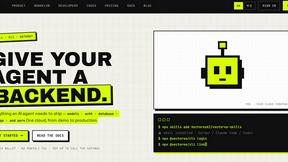
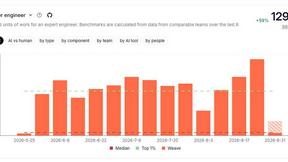
AkraLabs
Where modern software products get discovered, launched, and distributed. Explore verified AI tools, SaaS startups, and developer software.

AppBanana
10,000+ Apps Approved, Yours Next With 10,000+ successful apps, we know exactly what Google wants, and how to get yours approved.
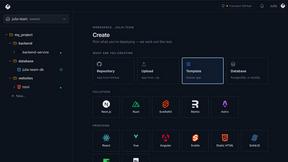
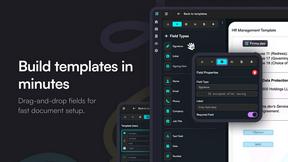
Firma.dev
Pay-as-you-go e-signature API and no-code sending. €0.049 per envelope, no monthly minimums, legally valid in 55+ countries.
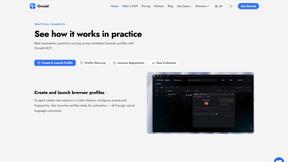
Ornold
Ornold MCP lets AI agents control Chromium and antidetect browsers: click, type, read screens, record workflows, replay profiles without scripts.
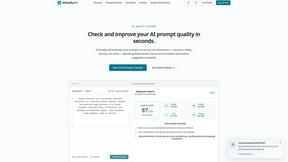
AIQualityHQ
Unlock your AI's full potential by transforming vague prompts into precise, secure instructions with instant quality scores and actionable fixes.
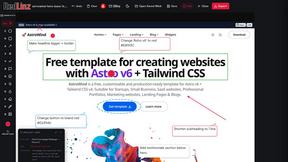
RedLinz
RedLinz turns screenshots into AI prompts by letting you circle and annotate exactly what you want an LLM to change.

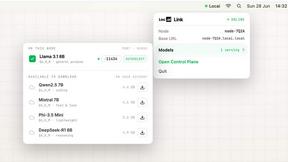
Locai
Locai lets you run powerful AI models on your own hardware, keeping data private and cutting cloud costs.
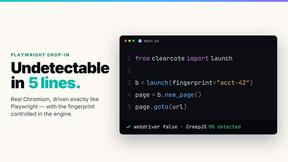
Clearcote
Clearcote is an open-source, de-Googled Chromium drop-in for Playwright and Puppeteer that gives you engine-level fingerprint control for a single.

WordPalette Brand Kit
Turn any word or image into a complete brand identity system that stays private and runs entirely in your browser.

JustLaunched
JustLaunched transforms your SaaS launch into a discovery engine, connecting you with buyers and blasting across directories for instant traction.
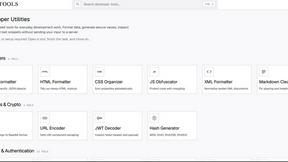
JavaScript Tools
JSTools.Space unlocks your coding potential with private, serverless utilities for formatting, inspecting, and generating secure values instantly.
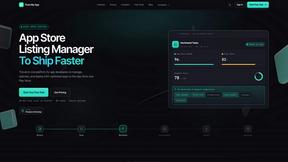
Push My App
Push My App transforms weeks of App Store and Play Store listing work into a single afternoon of confident, rejection-proof submissions.

About OpenMark AI Alternatives
OpenMark AI is a transformative developer tool for task-level LLM benchmarking. It empowers teams to make data-driven decisions by running real prompts against a vast catalog of models, comparing critical metrics like cost, latency, quality, and output stability in a single, unified session. Users often explore alternatives for various reasons, such as budget constraints, the need for different feature sets like on-premise deployment, or a preference for integrating benchmarking directly into their existing development workflow. The landscape of AI evaluation tools is rapidly evolving, offering different approaches to a common challenge. When evaluating alternatives, focus on what truly matters for your project. Key considerations include whether the tool provides real, non-cached API results, the breadth and depth of the model catalog, the granularity of performance and stability metrics, and how the platform aligns with your team's workflow and security requirements.
FAQs about OpenMark AI Alternatives
What is OpenMark AI?
OpenMark AI is a web application for task-level LLM benchmarking that runs your prompts against 100+ models to compare cost, speed, quality, and stability.
Who is OpenMark AI for?
It is built for developers and product teams who need to choose or validate a model before shipping an AI feature, focusing on cost efficiency and real-world performance.
Is OpenMark AI free?
OpenMark AI offers both free and paid plans, with details available in the application's billing section.
Why choose OpenMark AI?
It provides side-by-side results from real API calls, showing variance across runs so you see consistency, not just a single lucky output, for confident pre-deployment decisions.