

Alternatives to Agent to Agent Testing Platform
TestMu AI transforms AI agent testing with autonomous, multi-modal validation for accuracy and safety.
Explore 20 alternatives to Agent to Agent Testing Platform. Compare features, pricing, and find the best fit for your needs.

AUTOMATER.ai
A tray helper for every AI coding tool: one searchable library of past sessions, waiting alerts and usage across 9 providers.

Luminus Tools
A fast, privacy-first suite of online calculators, financial desks, health trackers, and developer uutilities running completely in your browser witho

JevModel
Run Choice, Score and Noul decisions on text or JSON. Build visual flows, process batches and integrate results through an API.
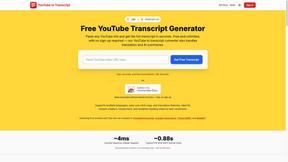
GetYouTubeTranscript
Free YouTube transcripts on the web, a Chrome extension, and an API + MCP server so AI assistants can read YouTube.

layahost
Moderation, routing, intent and scoring for any text over one Jev-compatible API, hosted in the EU.

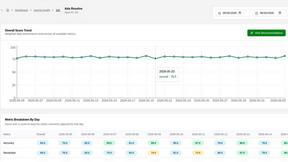

benchmark.directory
Independent AI tool listings: the cheapest usable plan, the real free-tier limit, tested integrations, and who trains on your work.
saasgrow.ai
A SaaS directory that turns tools away. Everything listed here was screened and scored out of 100 before publication.

Tools Network
Tools Network is a curated directory that brings the internet's best AI tools together in one organized, easy-to-navigate place.

love to color
FROM TEXT OR PHOTO TO PRINTABLE LINE ART Free AI Coloring Page Generator from Text or Photos


Built2WinWeb AI
Custom PHP websites, AI Indexing Pack ($599 one‑time), and WebAgentScan SaaS ($9/mo). MCP, A2A, llms.txt, full ownership.
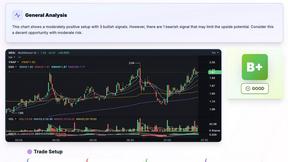
SnapPChart
SnapPChart grades a trading chart screenshot A+ to F, with an entry, stop, targets, and risk/reward. Works on stocks, forex, crypto, futures.



About Agent to Agent Testing Platform Alternatives
Agent to Agent Testing Platform is a pioneering AI-native quality assurance framework designed for validating autonomous AI agents across chat, voice, phone, and multimodal systems. It belongs to the rapidly evolving category of AI testing and validation tools, specifically built to handle the dynamic, unpredictable nature of agentic AI where traditional software QA falls short. Users often explore alternatives for various reasons, including budget constraints, specific feature requirements not covered by a single platform, or the need for a solution that integrates more seamlessly with their existing tech stack and development workflows. The search for the right tool is a critical step in deploying reliable AI. When evaluating an alternative, focus on capabilities that match the complexity of agentic systems. Look for solutions that go beyond simple prompt testing to validate multi-turn conversations, simulate real user behavior at scale, and proactively detect security, compliance, and behavioral risks before agents reach production.
FAQs about Agent to Agent Testing Platform Alternatives
What is Agent to Agent Testing Platform?
It is a first-of-its-kind AI-native quality assurance framework designed to validate the behavior of autonomous AI agents across chat, voice, phone, and multimodal systems before production rollout.
Who is Agent to Agent Testing Platform for?
It is for enterprises developing and deploying AI agents who need to ensure their safety, reliability, and compliance in real-world, multi-turn interactions.
What are the main features of Agent to Agent Testing Platform?
Key features include multi-agent test generation with 17+ specialized AI agents, autonomous synthetic user testing at scale, and built-in validation for traceability, policy violations, and escalation logic.
Why choose Agent to Agent Testing Platform?
It provides a dedicated assurance layer for agentic AI, uncovering long-tail failures and edge cases missed by manual testing or traditional QA models built for static software.